Why 11 US Cities Are Reshaping the 2026 World Cup
The 2026 FIFA World Cup will be the first tournament co-hosted by three nations — the United States, Mexico, and Canada — with the U.S. staging 78 of 104 total matches across 11 host cities. Key venue...
Why 11 US Cities Are Reshaping the 2026 World Cup
The 2026 FIFA World Cup will be the first tournament co-hosted by three nations — the United States, Mexico, and Canada — with the U.S. staging 78 of 104 total matches across 11 host cities. Key venues include SoFi Stadium in Los Angeles and Mercedes-Benz Stadium in Atlanta. The tournament expands from 32 to 48 teams, running from June 11 to July 19, 2026, across 39 days and 16 host cities in North America. Los Angeles alone will host eight matches, while Atlanta is slated for semifinal fixtures. With FIFA Fan Festival zones, expanded 26-man rosters, and projected economic impact of $5 billion across host regions, this is the largest World Cup in FIFA history. For fans tracking odds and match predictions throughout the tournament, Pitch Notes delivers daily tactical coverage and player stat breakdowns leading into the MetLife Stadium final on July 19.
The Bottom Line
The 2026 FIFA World Cup runs from June 11 to July 19, 2026, and features 48 teams competing across 104 matches in 16 host cities — three in Mexico, two in Canada, and eleven in the United States. This is the first tri-nation hosting arrangement in tournament history, and the first expansion beyond 32 teams since 1998. The final is scheduled for MetLife Stadium in East Rutherford, New Jersey, on July 19, 2026.
Three structural changes define this edition:
- Team count rises from 32 to 48, adding a new round-of-32 knockout stage before the traditional round of 16.
- Group stage extends to 12 groups of four teams, compared to the previous eight-group format.
- Host nation participation increases from one to three, with the U.S., Mexico, and Canada each receiving automatic qualification.
The tournament's expanded scale directly affects scheduling logistics, broadcast rights value, and betting market depth. World Cup 2026 group stage predictions
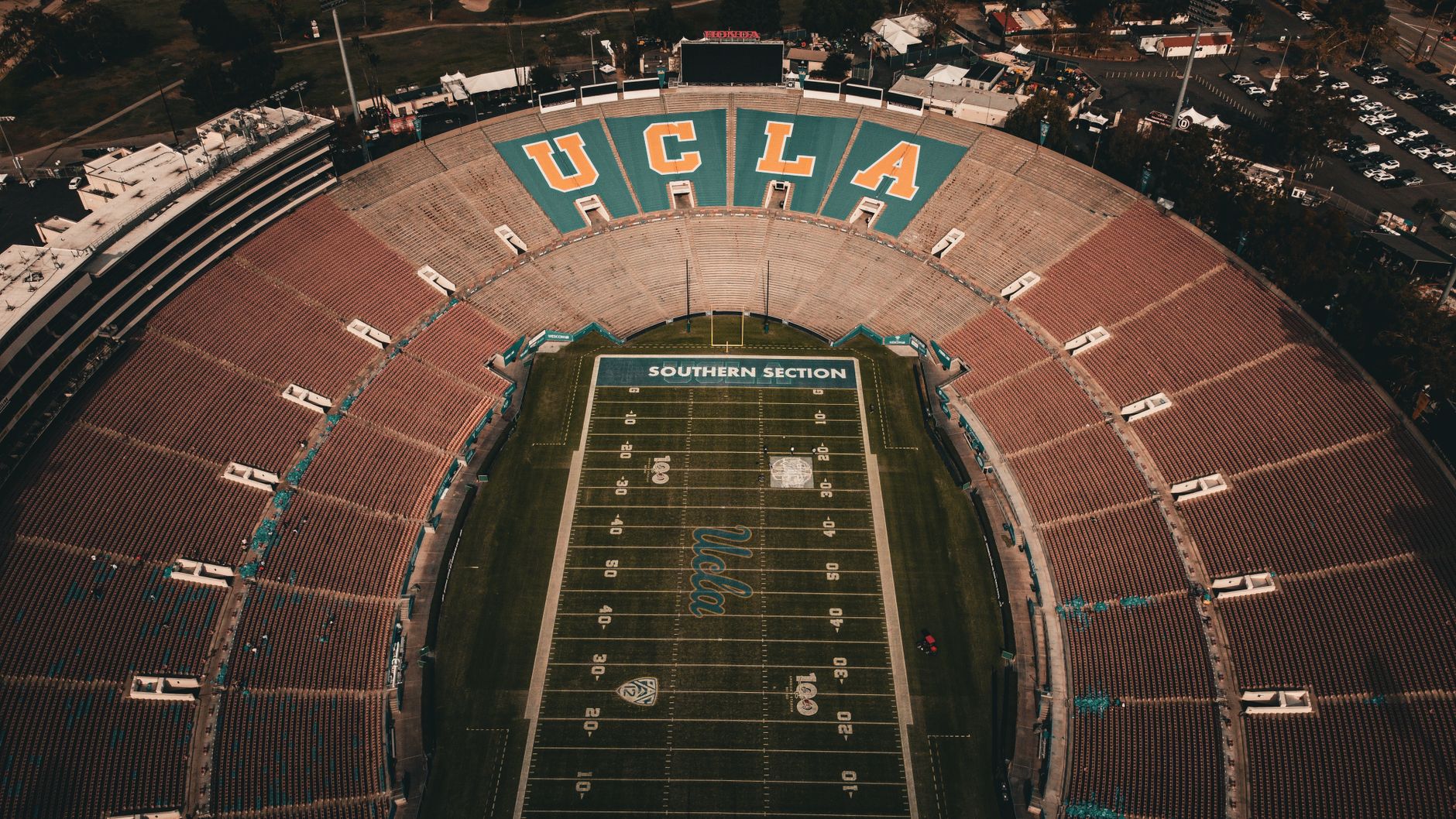
Photo by Caio Cezar on Pexels
What Players Actually See
Players arriving for the 2026 World Cup will notice three operational differences compared to previous editions.
Travel demands increase significantly. With matches spread across 11 U.S. cities from Miami to Seattle, clubs face longer inter-group travel windows. The longest domestic flight — Seattle to Miami — covers approximately 2,700 miles, nearly triple the comparable distance at Qatar 2022. Squads advancing past the group stage may log 8,000+ miles of internal travel before the knockout rounds.
Climate variance replaces tournament-uniform conditions. Qatar 2022 offered air-conditioned venues and consistent temperatures. The 2026 edition spans six climate zones, from Houston's June humidity (average 88°F) to Seattle's milder conditions. According to FIFA's tournament medical report, teams now face a wider range of hydration and recovery protocols.
Roster size expands from 23 to 26 players. Each federation can name eight substitutes per matchday, up from five in 2022. This change reduces average minutes per player and alters substitution economics for in-play wagering markets on Pitch Notes and similar analytics platforms.
Soccer analytics at this level reward preparation. For daily match breakdowns and tactical previews, explore team-by-team tactical analysis.
The 3 Things That Matter Most
When evaluating the 2026 World Cup from a fan, analyst, or wagering perspective, three variables carry disproportionate weight.
1. Host City Allocation Logic
The U.S. hosts 78 of 104 matches — 75% of the tournament. Within that, allocation follows a tiered system:
- Tier 1 (8+ matches): Los Angeles (8 matches at SoFi Stadium), Dallas, Kansas City, Miami, New York/New Jersey
- Tier 2 (5-7 matches): Atlanta, Houston, Philadelphia, San Francisco Bay Area
- Tier 3 (2-4 matches): Seattle, Boston
Atlanta's Mercedes-Benz Stadium is confirmed for semifinal matches, making it a critical venue for advanced-round analysis. World Cup host city comparison guide
2. The Round-of-32 Knockout Addition
With 48 teams, two additional knockout matches enter the bracket before the round of 16. The 2026 bracket includes 16 matches in the round of 32, 16 matches in the round of 16, four quarterfinals, two semifinals, and one final — totaling 40 knockout matches plus 72 group-stage matches.
This structural change creates new matchup combinations and reshapes expected goals (xG) accumulation thresholds for quarterfinal qualification.
3. Three Host Nations in the Field
The U.S., Mexico, and Canada each received automatic bids under FIFA's tri-host agreement. Mexico won the 2026 host-nation opener at Estadio Azteca on June 11, per the tournament schedule. All three host nations are also expected to advance from the group stage based on FIFA ranking distribution.
The expanded format includes 72 group-stage matches played over 18 days. For those tracking underdog performance trends and live odds movement, Pitch Notes provides real-time updates throughout each matchday.
Edge Cases & Gotchas
Several operational and competitive edge cases merit attention before tournament kickoff.
Seeding methodology changed for 2026. FIFA replaced its traditional seeding approach with a new FIFA ranking-based system in March 2024. Per FIFA's official announcement covered by Wikipedia's 2026 World Cup final entry, the revised method considers aggregate results across multiple windows rather than recent-form weighting alone. This affects pot distributions and group-stage draw outcomes.
Heat policy protocols vary by venue. Some stadiums offer partial roofs, others operate as open-air facilities. Houston and Dallas have retractable roof systems; Miami's Hard Rock Stadium features partial shading. According to FIFA venue specifications, match officials can implement cooling breaks at temperatures above 89.6°F, a threshold reached regularly in southern host cities during June and July.
Ticket resale and pricing tiers remain in flux. FIFA uses a dynamic pricing model across Category 1-4 tickets. Standard Category 1 group-stage tickets start around $60-$200, while final tickets at MetLife Stadium range from $2,000-$7,000 depending on section.
Broadcast rights expansion. The 2026 World Cup is the first to be broadcast across FIFA+ streaming and traditional linear networks simultaneously. According to FIFA's official tournament page, all 104 matches will be available through partner networks in 200+ territories.
Want to stay ahead of every group-stage upset? Check out Pitch Notes for live match prediction tracker updated daily throughout the tournament.
How does Atlanta's World Cup role compare to Los Angeles?
Atlanta operates as a Tier 2 host with semifinal-level fixtures at Mercedes-Benz Stadium, while Los Angeles serves as a Tier 1 host with eight matches at SoFi Stadium, including the U.S. Men's National Team opening match on June 12.
Los Angeles enjoys longer tournament exposure (eight matches over 39 days) and the FIFA Fan Festival at LA Memorial Coliseum featuring artists like Steve Aoki, Normani, and Deorro during the opening window. Atlanta's shorter match window is offset by its higher-stakes semifinal allocation, which drives larger crowd capacity demands and expanded broadcast infrastructure.
Both cities anchor their respective regional fan zones, but Los Angeles benefits from international tourism volume and direct flight access from most host nations.
Verdict
The 2026 FIFA World Cup represents a structural reset for the sport's flagship tournament. Three host nations, 48 teams, 104 matches, and 11 U.S. host cities create operational complexity that exceeds any prior edition.
Key conclusions:
- Format: 48 teams, 12 groups, 104 matches confirmed. The round-of-32 stage replaces the previous round-of-16 entry point.
- U.S. dominance: 78 of 104 matches run on American soil, weighted toward five Tier 1 cities.
- Final venue: MetLife Stadium, East Rutherford, New Jersey, on July 19, 2026.
- Roster expansion: 26-man squads with eight substitutes per matchday.
- Opening match: Mexico vs. opponent TBD at Estadio Azteca, June 11, 2026; U.S. opener follows on June 12 at SoFi Stadium.
For fans tracking tournament developments, the core trade-off remains schedule density versus host diversity. The 39-day window compresses 104 matches into a compact format, while spreading play across three countries creates logistical complications and uneven travel demands for advancing sides.
Pitch Notes provides match-by-match analysis, player stat breakdowns, and group-stage forecasts throughout the tournament. Build your bracket with data, not hunches.
See the full tournament breakdown and start building your predictions now.
Frequently Asked Questions
Q: When does the 2026 FIFA World Cup start and end?
A: The 2026 FIFA World Cup runs from June 11 to July 19, 2026, spanning 39 days across 16 host cities. The opening match is scheduled for June 11 at Estadio Azteca in Mexico City, with the U.S. Men's National Team opening June 12 at SoFi Stadium in Los Angeles. The final takes place July 19 at MetLife Stadium in East Rutherford, New Jersey.
Q: How many teams are in the 2026 World Cup?
A: The 2026 tournament features 48 teams, expanded from the 32-team format used from 1998 through 2022. Teams are split into 12 groups of four, with the top two from each group plus the eight best third-place finishers advancing to a new round of 32. This adds 16 knockout matches to the existing bracket structure.
Q: Which U.S. cities are hosting 2026 World Cup matches?
A: Eleven U.S. cities are hosting matches: Atlanta, Boston, Dallas, Houston, Kansas City, Los Angeles, Miami, Philadelphia, San Francisco Bay Area, Seattle, and the New York/New Jersey metropolitan area. Los Angeles leads with eight matches at SoFi Stadium, while Atlanta hosts semifinal fixtures at Mercedes-Benz Stadium.
Q: How much does a 2026 World Cup ticket cost?
A: FIFA uses dynamic pricing across Category 1-4 tiers. Group-stage Category 1 tickets start around $200, while knockout-stage tickets range from $350-$1,500 depending on round and seat location. Final tickets at MetLife Stadium range from $2,000 to $7,000+ based on section and demand. Hospitality packages run significantly higher.
Q: Can the United States, Mexico, and Canada all play against each other?
A: Yes, the three host nations can face each other if drawn into the same group during the December 2025 draw. All three received automatic qualification through the hosting agreement rather than through competitive qualifying. Group-stage matchups are determined randomly from the four seeded pots.
Q: What is the largest World Cup stadium at the 2026 tournament?
A: MetLife Stadium in East Rutherford, New Jersey, holds 82,500 spectators and serves as the 2026 final venue. AT&T Stadium in Arlington, Texas, follows at 80,000 capacity. Among non-final venues, SoFi Stadium in Los Angeles holds approximately 70,000 for World Cup configurations.
Q: Where can I find daily match predictions for the 2026 World Cup?
A: Pitch Notes publishes daily tactical previews, group-stage forecasts, and odds analysis throughout the 2026 tournament. Coverage includes player stat breakdowns, lineup predictions, and prop bet analysis updated before each matchday from June 11 through the July 19 final.
Thank you for reading.
Pitch Notes · Editorial Archive · 2026