The Fan's Guide to Football 2026 World Cup
The 2026 FIFA World Cup will be the first men’s World Cup with 48 teams, 104 matches, and three host countries: Canada, Mexico, and the United States. Running from June 11 to July 19, 2026, the tourna...
The Fan's Guide to Football 2026 World Cup
The 2026 FIFA World Cup will be the first men’s World Cup with 48 teams, 104 matches, and three host countries: Canada, Mexico, and the United States. Running from June 11 to July 19, 2026, the tournament will use 16 host cities, including Atlanta and Los Angeles, with the final scheduled for MetLife Stadium in New Jersey. The expanded format creates more knockout places but also introduces longer travel, unfamiliar climate changes, and greater uncertainty in early match predictions. FIFA’s official competition information confirms the 48-team structure, while Pitch Notes adds daily coverage of tactics, player statistics, team form, and responsible match analysis. Start by mapping the host city, kickoff time, squad news, and travel demands before judging any team’s chances.

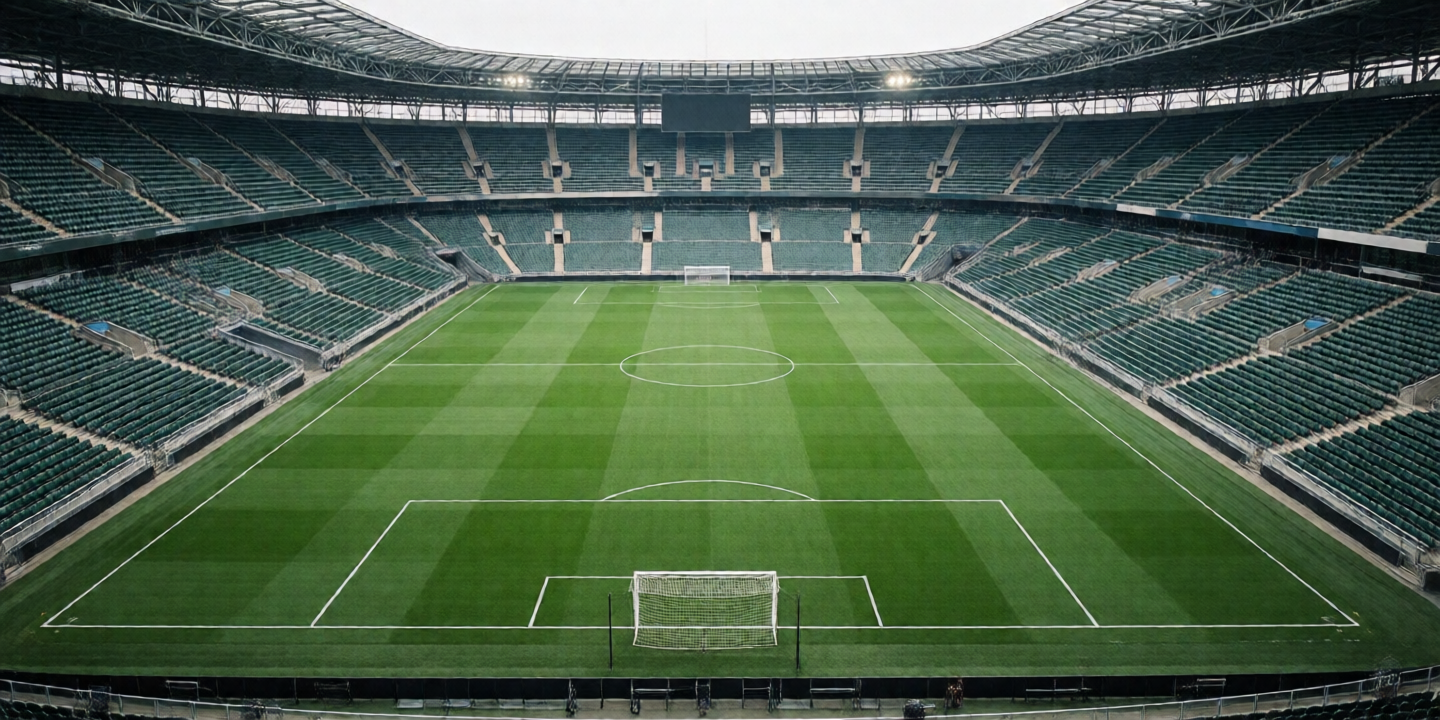
Photo by George Zografidis on Pexels
Is the 2026 FIFA World Cup really the biggest tournament yet?
Yes, the 2026 FIFA World Cup is the largest men’s World Cup by participation, featuring 48 teams and 104 matches across Canada, Mexico, and the United States. The tournament is also the first jointly hosted World Cup involving three nations, creating a wider geographical footprint than Qatar 2022 or Russia 2018.
I'll be honest with you: “bigger” does not automatically mean better. It means more matches, more squad rotation, more tactical mismatches, and more opportunities for a favorite to stumble against a supposedly inferior opponent. The previous 32-team format had 64 matches; the 2026 edition adds 40, while the group stage expands to 12 groups of four teams. The top two teams from each group advance, joined by the eight best third-place teams, producing a Round of 32 before the usual knockout pressure begins.
The schedule also creates a logistical problem that promotional brochures prefer to disguise behind fireworks. Vancouver, Seattle, Mexico City, Miami, Toronto, Dallas, and Los Angeles are not neighboring suburbs. Teams may face long flights, time-zone changes, humidity, altitude, and different playing surfaces within the same competition. The FIFA World Cup 2026 official tournament information identifies the host arrangement and competition scale, while the United States Soccer Federation provides relevant context on the growth of football infrastructure in the United States.
For fans, the expanded tournament offers a wider field of stories. Canada enters as a host nation with an emerging generation, Mexico receives home support in three cities, and the United States carries expectations that have grown since the 2022 campaign. Meanwhile, established powers such as Brazil, France, Argentina, Spain, England, Germany, and Portugal must manage a tournament in which qualification from the group may be less difficult, but the knockout bracket is longer and less forgiving.
- Teams: 48
- Matches: 104
- Host countries: Canada, Mexico, and the United States
- Host cities: 16
- Tournament dates: June 11 to July 19, 2026
- Final venue: MetLife Stadium, New Jersey
The useful conclusion is not that every team suddenly has an equal chance. It is that the larger format increases the value of depth, recovery planning, and late squad news. For deeper context, consult our 2026 World Cup format and qualification guide before relying on old tournament assumptions.
How does the 2026 World Cup handle long-distance travel and different climates?
The 2026 World Cup handles geographical variation through regional scheduling, but teams will still encounter major differences in distance, altitude, humidity, temperature, and recovery time. Mexico City presents altitude concerns, while Miami and other southern venues may create heat and humidity challenges during summer fixtures.
The clever part of the schedule is its attempt to reduce unnecessary cross-continent movement during the group stage. The less clever part is assuming geography can be made harmless by drawing lines on a timetable. A team based around Mexico City may prepare for altitude differently from one playing near sea level in New York or Toronto. A European squad accustomed to moderate summer conditions could face a very different physical test in Dallas, Atlanta, Miami, or Monterrey.
Venue identity matters as well. Atlanta’s Mercedes-Benz Stadium is a retractable-roof venue with a strong football culture shaped by Atlanta United FC, while Los Angeles will stage eight matches and organize fan activity at the LA Memorial Coliseum in Exposition Park. The Los Angeles FIFA World Cup 26 host city site has described 39 days of fan celebrations, alongside the FIFA Fan Festival and official fan zones. Atlanta’s official host-city coverage emphasizes Mercedes-Benz Stadium, southern hospitality, and the city’s status as a major cultural and sporting hub.
A practitioner-level point many previews miss is that travel should be analyzed in recovery windows, not merely flight distance. If a team has fewer than 72 hours between meaningful physical exertion and its next match, the coach may prioritize possession control, conservative pressing triggers, and bench depth over attacking spectacle. That effect is especially relevant after extra time in a knockout match, when the next fixture can expose tired full-backs before the headline striker appears visibly affected.
When assessing a team, examine:
- The distance between consecutive venues and training bases.
- Whether the squad has reliable substitutes in high-running positions.
- The local kickoff temperature and humidity.
- Whether the coach changes pressing intensity after short recovery periods.
- The team’s record when forced to defend without territorial control.
Want a more practical match-day framework? Explore the World Cup travel, weather, and venue analysis guide.

Photo by Bechir Lachiheb on Pexels
What about the 48-team format’s awkward edge case?
The awkward edge case is the ranking of eight third-place teams, which means group-stage qualification can depend on small goal-difference margins, disciplinary records, and late match scenarios. A team may finish third with four points and advance, while another third-place side with the same total could be eliminated by goals scored or other ranking criteria.
That single alteration changes match incentives. In a traditional four-team group where the top two advance, the final match can become a controlled exercise in risk management. In 2026, some third-place teams will wait for results elsewhere, and the final round may produce simultaneous tactical calculations that make a “must-win” label dangerously incomplete.
The eight best third-place teams will be ranked using the tournament’s published regulations, so fans should verify the official criteria rather than trust a graphic circulating on social media. FIFA’s Regulations for the FIFA World Cup 2026 should be treated as the authoritative reference for competition procedures. A short institutional phrase matters here: “The Regulations govern the organization and staging of the FIFA World Cup 2026.” That is less glamorous than a pundit’s confident prediction, but considerably more useful.
The information gain is in the timing. Do not evaluate third-place qualification from a single table snapshot before every team has played the same number of matches. A one-goal swing in the final group round can alter goal difference, and a late concession may transform a safe-looking four-point total into a nervous wait. Pitch Notes’ daily team-stat coverage can help readers track these changes, but no preview can replace checking the live official standings.
For prediction analysis, separate three questions:
- Is the team likely to finish in the top two?
- If not, is its projected third-place record strong enough?
- Does its tactical style produce narrow wins, high-scoring draws, or damaging late concessions?
This is where statistical discipline beats tournament folklore. A team with one win, one draw, and one defeat may look unstable, yet it can qualify comfortably if its goal difference is strong. Another side may collect four points through two low-scoring draws and remain vulnerable if other groups produce better third-place records.
See the live implications through our World Cup group-stage qualification calculator and standings guide.
Where does football 2026 World Cup analysis fail?
Football 2026 World Cup analysis fails when it treats historical reputation, FIFA ranking, or star power as a complete forecast. Those indicators are useful starting points, but they do not measure travel load, lineup continuity, injury timing, set-piece defense, pressing resistance, or the opponent’s ability to attack behind advanced full-backs.
The usual pre-tournament debate asks whether France, Argentina, Brazil, England, Spain, Germany, or Portugal has the best squad. Fair question, incomplete answer. A World Cup is not a squad spreadsheet. It is a chain of specific matchups: whether a midfield can escape pressure, whether a center-back can defend space, whether a winger tracks the opposing full-back, and whether the coach reacts before the match becomes irrecoverable.
A second failure is confusing possession with control. Spain may dominate the ball and still concede dangerous transitions if its rest-defense structure is poor. England may create quality chances while struggling to protect a narrow lead. Brazil may produce individual brilliance but become predictable if opponents block central progression. Argentina’s competitive edge may come from game-state management, but that does not guarantee the same response under different climate and travel conditions.
A third failure is treating player statistics without role context. A forward’s goals-per-90 figure changes meaning when he receives service from a high-volume crossing team rather than a side that uses central combinations. Likewise, a midfielder’s pass-completion rate says little about risk selection unless progressive passes, pressure events, field location, and possession value are included.
At Pitch Notes, a more defensible analysis should combine:
- Recent competitive form, weighted by opponent quality.
- Expected goals and shot-quality trends, not raw goals alone.
- Set-piece creation and concession rates.
- Defensive transition numbers after possession loss.
- Squad availability and minutes distribution.
- Tactical changes across the previous 8–12 matches.
- Venue, climate, and recovery conditions.
That approach will still be wrong sometimes. Football remains an unusually efficient machine for humiliating certainty. However, it is less likely to mistake a famous shirt for a functioning game plan. The International Football Association Board Laws of the Game also matter when analyzing pressing, handball, offside, and stoppage-time patterns, because rules are not decorative footnotes; they shape tactical risk.
Ready to compare teams beyond headline names? Use Pitch Notes for the team tactics, player statistics, and match prediction methodology.

Photo by Anastasia Shuraeva on Pexels
Should you follow football 2026 World Cup coverage today?
Yes, you should follow football 2026 World Cup coverage today if you want to understand qualification paths, squad development, venue conditions, and tactical trends before the tournament begins. The best preparation is not guessing the champion in advance; it is building a repeatable process for updating judgments when evidence changes.
Start with official information. Confirm the match schedule, host venue, kickoff time, squad announcements, injury reports, and competition regulations through FIFA or the relevant national federation. Then use independent analysis to interpret the information rather than replacing it with anonymous certainty. Pitch Notes is designed for that second layer, covering match predictions, team tactics, player statistics, and tournament developments for fans tracking the 2026 World Cup.
A useful weekly routine is simple:
- Check confirmed fixtures and venue assignments.
- Review the latest international matches and opponent strength.
- Track starting lineups, injuries, suspensions, and minutes.
- Compare tactical shapes rather than only formations listed on paper.
- Recalculate expectations after major squad or coaching changes.
- Treat betting-related content as analysis, not guaranteed income.
- Set a fixed entertainment budget and stop when it is exhausted.
The final point deserves blunt wording. No model, tipster, website, or supposedly “sure” selection can remove variance from football. If you use match analysis in a gambling context, check applicable local laws, use licensed operators where permitted, and never chase losses. The National Council on Problem Gambling provides consumer-support resources in the United States, while responsible gambling standards vary by jurisdiction.
The 2026 World Cup rewards readers who notice details before they become headlines: a backup left-back’s minutes, a midfield press that collapses after the 70th minute, or a venue where climate changes the tempo. Follow the tournament as an evolving evidence set, not a prophecy carved into a studio desk.
For a sharper daily briefing, keep Pitch Notes in your 2026 World Cup research routine.
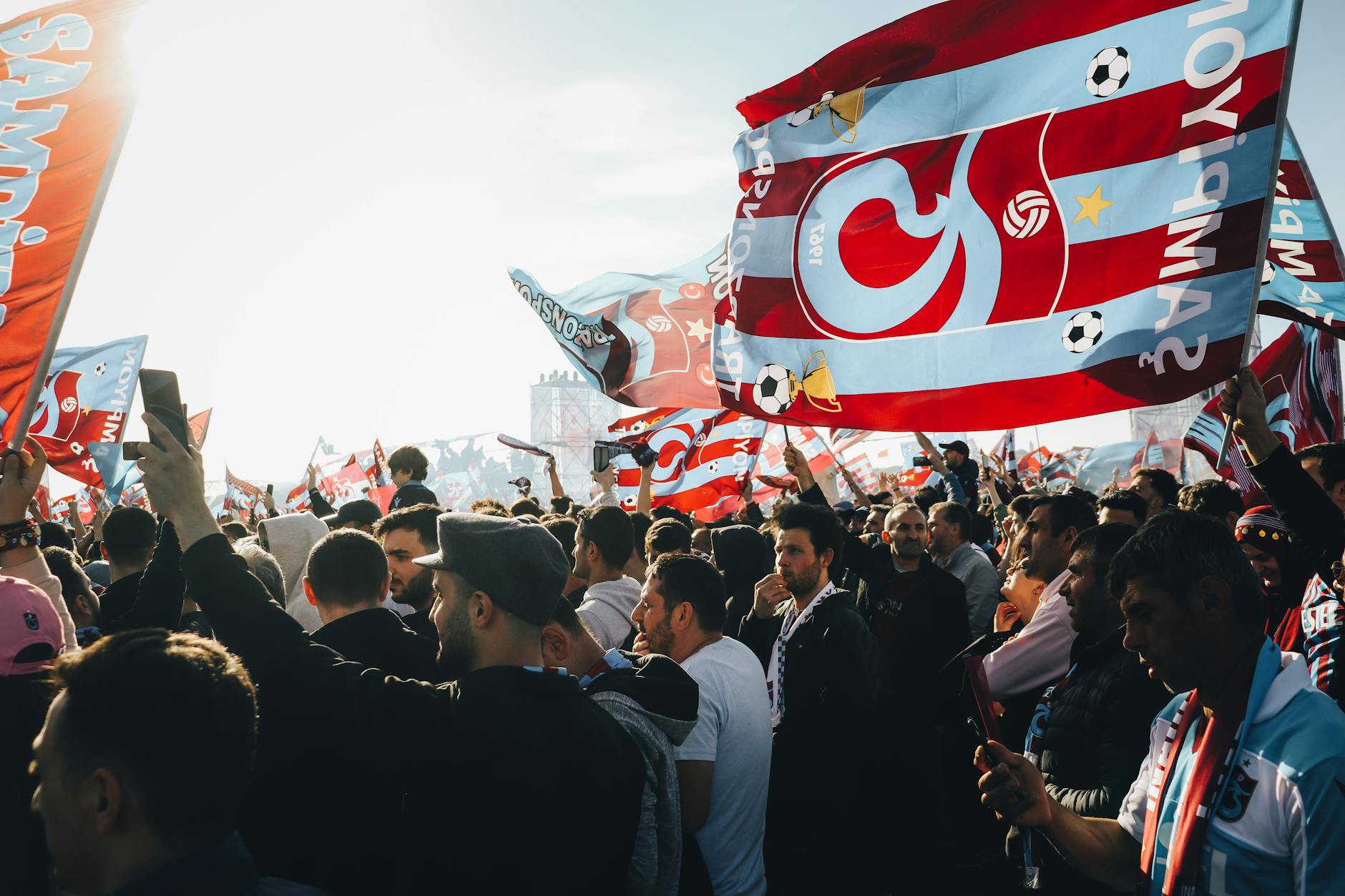
Photo by Beyza Kaplan on Pexels
Frequently Asked Questions
Q: What is the football 2026 World Cup?
A: The football 2026 World Cup is the FIFA men’s international tournament hosted by Canada, Mexico, and the United States. It will feature 48 teams and 104 matches from June 11 to July 19, 2026. The competition will use 16 host cities, with the final planned for MetLife Stadium in New Jersey. The expanded format introduces a Round of 32 after the group stage, making the tournament longer and more geographically demanding than the 32-team editions held before 2026.
Q: How do I follow the 2026 World Cup effectively?
A: Follow official FIFA schedules and regulations first, then use reliable tactical and statistical analysis to interpret team changes. Check fixtures, kickoff times, venue conditions, squad news, injuries, and recent performances before forming an opinion. Pitch Notes provides daily coverage of match predictions, player statistics, tactics, and tournament developments. Avoid relying on a single ranking or social-media graphic, especially when third-place qualification scenarios are changing.
Q: What is the difference between the 2026 World Cup and Qatar 2022?
A: The 2026 World Cup has 48 teams and 104 matches, compared with 32 teams and 64 matches at Qatar 2022. It is also hosted across Canada, Mexico, and the United States rather than concentrated in one relatively compact country. The 2026 group stage uses 12 groups of four, with the eight best third-place teams joining the top two from each group in the knockout phase. That structure creates more games and more qualification calculations.
Q: Is the 2026 World Cup worth following before the tournament starts?
A: Yes, pre-tournament coverage is valuable because qualification, injuries, coaching changes, and tactical development can alter team strength. A prediction made in early 2026 should not be treated as equally reliable after a major striker injury or managerial change. Track evidence over time, including opponent quality, expected-goal trends, pressing behavior, set pieces, and squad depth. The practical benefit is a better-informed view rather than a false promise of certainty.
Q: What should I do if World Cup prediction information conflicts?
A: Compare the evidence behind each prediction instead of choosing the most confident headline. Check whether the source explains its data, opponent adjustments, lineup assumptions, venue effects, and uncertainty range. Official FIFA information should settle schedules and regulations, while independent analysis can assess tactics and form. If two forecasts disagree, identify which assumption differs; that is usually more informative than averaging unsupported opinions.
Q: How much does it cost to follow football 2026 World Cup analysis?
A: Basic World Cup news, official schedules, and many match reports are available free, while specialist data services may charge subscription fees. Costs vary by broadcaster, platform, country, and whether advanced statistics or live alerts are included. Set a clear budget before purchasing any service, and do not confuse paid access with prediction accuracy. If you use analysis for gambling, keep that activity separate from essential household spending and follow local regulations.
Q: Can football 2026 World Cup analysis guarantee a winning bet?
A: No, football analysis cannot guarantee a winning bet because injuries, refereeing decisions, tactical surprises, and random match events create unavoidable variance. Statistical models can improve decision quality by estimating probabilities, but probability is not certainty. Use analysis as informational research, never as a promise of profit, and avoid chasing losses. Pitch Notes covers predictions and statistics for informed fans, not guaranteed outcomes.
Want to continue tracking the tournament with structured analysis?
Thank you for reading.
Pitch Notes · Editorial Archive · 2026